Bedding · Seasonal comfort
Layering Wool Comforters for Comfort Across Changing Seasons
As the weather turns, the bedroom becomes a small climate of its own. A flexible arrangement of wool comforters can help you adjust warmth through the year—without rebuilding your bedding from scratch.
Published November 28, 2026
A bedroom may be quiet, but its temperature is always in motion. A clear autumn evening can give way to a cold night; a spring afternoon’s warmth may disappear after sunset. Indoors, heating, insulation, window exposure, and the number of people sharing a bed all shape how warm the covers feel. Bedding that works in one stretch of weather can become too heavy—or not quite enough—as conditions change.
Layering wool comforters offers one practical way to respond. Instead of relying on a single comforter for every month, sleepers can combine lighter and medium-weight layers, then adjust the arrangement as nights shift. The idea is simple, but comfort depends on details: how much fill each layer contains, how the comforters are joined or covered, whether air can circulate, and what the manufacturer says about care.
Wool is valued in bedding for its insulating and moisture-managing qualities. But no fiber can guarantee a particular sleeping temperature. A comforter’s performance also depends on its fill weight, quilting, shell fabric, fit, room conditions, and personal preference. Understanding those factors makes seasonal bedding less of a guessing game and more of a useful system.
Why use layers instead of one heavy comforter?
A single heavy comforter can be useful in a cold room, but it may feel excessive when temperatures rise. A lighter comforter can serve well in milder conditions, yet leave a chilly sleeper reaching for extra blankets when winter arrives. Layering creates more than two options. It allows a bedding setup to move through several degrees of warmth, from one light layer to a paired arrangement.
The principle resembles dressing for variable weather. A removable layer is easier to adapt than one thick garment, and the same is true of bedding. On a mild night, one comforter may be enough. When a cold front arrives, a second layer can be added. When the room warms again, it can be removed without changing the entire bed.
This flexibility may be particularly useful in homes where bedroom temperatures change substantially between seasons, where heating is set back at night, or where two sleepers prefer different levels of warmth. Separate layers can sometimes be arranged to suit individual sides of a bed, though the size and construction of the comforters need to make that practical.
Start with fill weight, not a season label
Comforter descriptions often use terms such as lightweight, medium-weight, all-season, or warm. These labels are helpful starting points, but they are not universal standards. One maker’s “lightweight” may not feel identical to another’s, and the same comforter can feel different in a drafty room than in a well-insulated one.
Fill weight gives a more specific clue. It describes how much filling is used in a given area of the comforter, commonly expressed in grams per square metre (GSM). For example, wool comforters may be described with fill weights around 175, 300, 400, or 500 GSM. Those figures can help you compare layers from the same range, but they do not independently predict a precise sleeping temperature.
Construction matters too. Quilting or tufting can help keep batting distributed across the bed. The spacing of those stitches, the type of shell, and the way the filling is arranged affect loft and feel. A comforter with a higher fill weight may provide more insulation, but the overall result depends on the full design. Before combining layers, check whether the maker provides guidance on using them together.
A useful comparison: Look at fill weight, dimensions, construction, and care instructions together. Treat a season label as a broad guide—not a promise that one warmth level will suit every sleeper or room.
Build a flexible seasonal arrangement
A layering system works best when it begins with a dependable base. In a moderate climate, that might be a lightweight wool comforter. In a colder home, a medium-weight layer may be the more practical starting point. The right choice depends on the room, the sleeper, and the bedding already in use—not simply the month on the calendar.
Once the base layer is chosen, consider a second comforter with a different weight. The goal is not to make the bed as heavy as possible. It is to create a combination that can be adjusted. A lightweight comforter paired with a medium-weight one, for instance, offers more options than a single very heavy layer: either can be used alone, or both can be used together when conditions call for additional warmth.
- Begin with one layer. Use the lighter or more moderate comforter on a typical night and notice whether the room feels cool, comfortable, or warm by morning.
- Add a second layer gradually. Try the combination during colder weather, rather than waiting until the coldest night of the year to test it.
- Make small adjustments. If the paired setup feels too warm, remove a layer or change how it is arranged. If one side of the bed feels different from the other, consider separate coverage where dimensions allow.
- Record what works. A brief note about the room temperature, bedding, and how you slept can make next season’s adjustments easier.
Testing matters because warmth is personal. Some sleepers prefer a cool room and substantial covers; others feel comfortable with little insulation. Changes in indoor heating, sleepwear, mattress protectors, and blankets can all alter the result. Adjust one part of the setup at a time so you can tell what made a difference.
Keep the layers from shifting
Two comforters can provide adaptable warmth, but they can also slide apart during the night. Shifting creates uneven coverage: one area of the bed may become thick and warm while another is left exposed. The more layers involved, the more important it is to consider how they will stay in place.
First, look for corner loops or ties. Some comforters are designed to attach to a duvet cover, while some covers include internal ties for securing an insert. These connections help keep a single comforter aligned inside its cover, but they do not necessarily fasten two comforters to each other. Check the construction rather than assuming that compatible-looking bedding will connect securely.
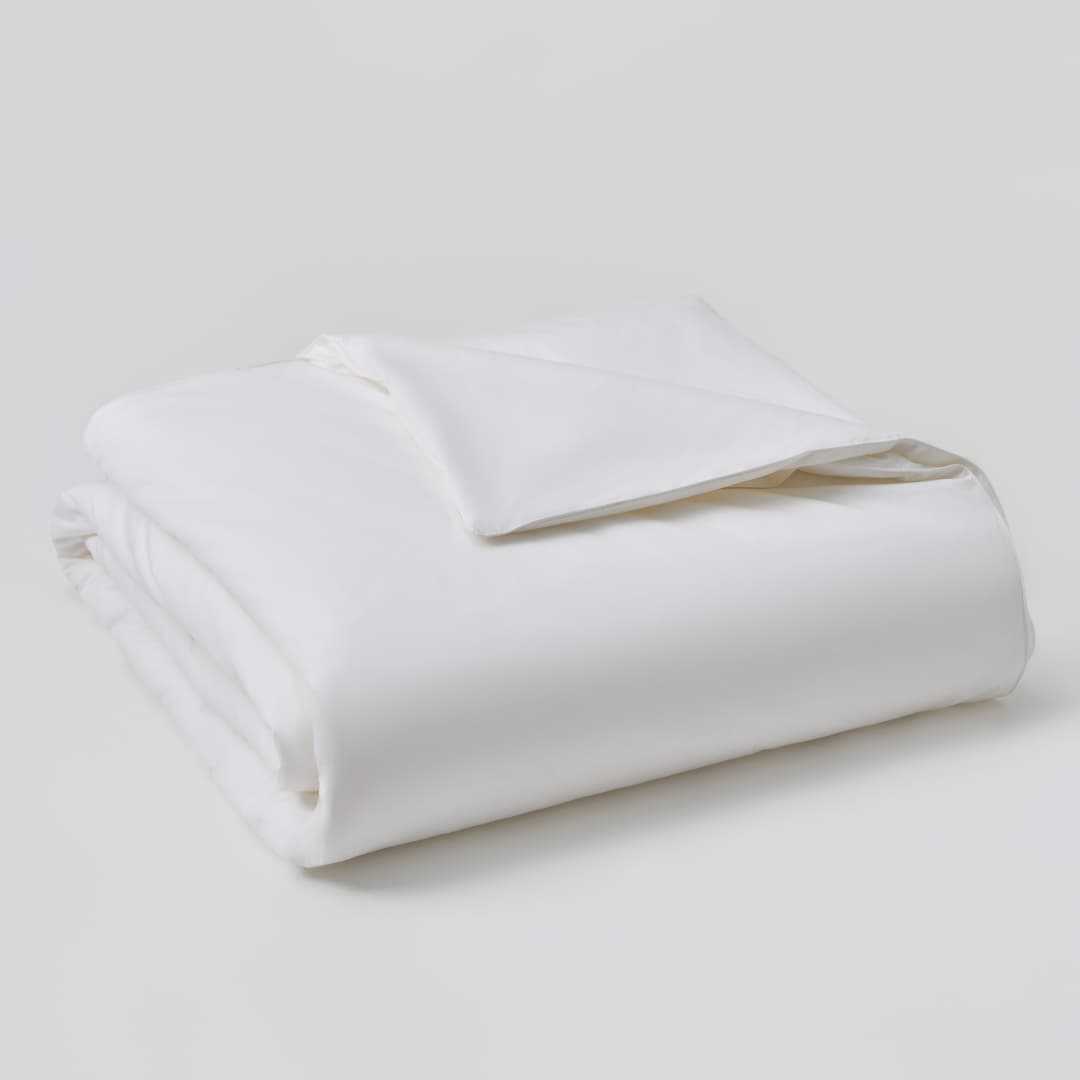
A duvet cover can also provide a neat outer layer, reduce direct contact with the comforter, and make routine refreshing simpler. If using two inserts inside one cover, confirm that the cover has enough room for both without compressing them. Excess compression can change the way the bedding drapes and may reduce the loft that helps trap insulating air. If the layers do not fit comfortably, separate covers or a different arrangement may be more practical.
Layering need not mean stacking everything in a tight bundle. A blanket or top sheet may be enough for a small change in warmth, while a second comforter can be reserved for colder periods. The aim is controlled flexibility, not maximum bulk.
Use breathable covers thoughtfully
The cover is part of the bedding system, not just a finishing touch. A duvet cover protects the comforter from everyday soil and can be laundered more easily than many filled inserts. Its fabric, weave, and fit also influence the way the finished bed feels and moves.
A cover that is too small may compress a comforter or pull against its corners. One that is excessively large can allow the insert to gather or migrate. Match the cover dimensions to the comforter as closely as practical, and secure corner ties if both pieces have them. If two comforters are used, check the combined thickness and bulk before committing to a single cover.
Breathability is another consideration. A cover that feels comfortable against the skin and allows the bedding to drape naturally can help preserve a balanced sleep environment. Fiber content alone does not tell the entire story: weave, fabric weight, finishing, and personal sensitivity matter as well. Keep the full bedding combination in mind, including sheets, mattress coverings, sleepwear, and any extra blankets.
Avoiding too much warmth
The most common mistake in seasonal layering is adding warmth faster than it is needed. A second comforter can feel inviting when first placed on the bed, then prove excessive after several hours beneath the covers. A warm room, heavy sleepwear, and thick sheets may compound the effect.
Pay attention to how you feel through the night rather than judging the arrangement by touch alone. If you regularly wake feeling overheated, simplify the setup: remove one layer, use a lighter comforter, or reduce other insulating pieces. If the bed feels comfortable at first but too warm later, try a configuration that is easier to adjust without fully remaking the bed.
A layered system is most useful when each component has a purpose. One layer can handle ordinary conditions; a second can provide extra insulation during colder spells. If the two layers are so similar that you always use them together, or if they are too bulky to manage, the combination may not offer much practical flexibility.
Care wool carefully—and follow the label
Wool comforters do not all share the same care requirements. Some are intended for spot cleaning and airing, while others may have specific washing instructions. Some manufacturers recommend professional laundering if a deeper clean is necessary. There is no single care rule that applies to every fill, shell, or construction.
Start with the sewn-in label and the maker’s current guidance. Do not assume that a comforter can go into a household washing machine simply because a different wool item can. Water, agitation, detergent, and heat can affect natural fibers and the structure of the batting. High heat in particular may cause shrinkage or other damage, depending on the materials and construction.
- Use a duvet cover where appropriate. A removable cover can help protect the comforter from routine contact and may reduce the need to clean the filled insert.
- Spot clean only as directed. Use the method recommended for that specific comforter, and avoid soaking the fill unless the instructions allow it.
- Air bedding when practical. Follow the maker’s advice about airing or sunning, and ensure the comforter is fully dry before storing or covering it.
- Store it dry and uncompressed when possible. Long periods under heavy compression can affect loft. Choose a clean, dry storage place and follow any product-specific recommendations.
When a comforter becomes damp, allow it to dry thoroughly according to its care instructions. Moisture trapped inside a thick filling can linger even when the outer shell feels dry. If the label calls for professional laundering, use a service familiar with the distinction between laundering and dry cleaning when that distinction is specified by the maker.
A simple seasonal guide
Rather than assigning one bedding arrangement to each season, think in terms of changing conditions. The same month can bring different nights from one region—or one home—to another. A practical rotation might look like this:
- Mild nights: Use a lightweight wool comforter or another breathable, lighter layer on its own.
- Cooler evenings: Keep the base comforter and add a light blanket or second comforter if needed.
- Cold periods: Combine compatible lightweight and medium-weight layers, checking that they lie evenly and are not compressed inside their cover.
- Warmer spells: Remove the extra layer promptly rather than waiting for a seasonal change in the calendar.
This is a framework, not a prescription. A well-heated apartment may need less insulation in winter than a cool, draft-prone bedroom needs in autumn. Window coverings, ventilation, and thermostat settings affect the indoor environment, so bedding adjustments work best alongside attention to the room itself.
Questions to ask before combining comforters
Before layering, take a moment to check the specifications and your own sleeping habits. A few clear questions can prevent an attractive idea from becoming an awkward arrangement:
- Are the comforters intended to be used together, or does the manufacturer advise against combining them?
- Do their dimensions fit the bed and any duvet cover without pulling or excessive bunching?
- Can the layers be secured, or are they likely to move apart?
- Do the care instructions allow the cleaning routine you can realistically maintain?
- Does the combined warmth suit everyone sharing the bed?
These questions also help keep expectations realistic. Natural fibers can contribute to a comfortable bedding environment, but they are not a substitute for appropriate care, suitable room conditions, or individual preference. If a sleeper has a known wool sensitivity or a specific medical concern, personal guidance from a qualified health professional may be more relevant than general bedding advice.
A bed that changes with the weather
The appeal of layering is not complexity but choice. One well-chosen wool comforter can serve as the foundation; a second, lighter or medium-weight layer can extend its usefulness as the year turns. Fill weight offers a way to compare options, while construction, shell fabric, sizing, and care instructions reveal how the bedding will work in daily life.
There is no universal combination for every sleeper. A successful arrangement is one that can be adjusted without fuss, stays evenly in place, and remains comfortable in the room where it is used. Start with a single layer, make changes gradually, and let experience guide the next step.
As seasons shift outside the window, a flexible bed can shift with them. The quiet advantage of a layered system is that warmth need not be an all-or-nothing decision: it can be added, reduced, and refined night by night.