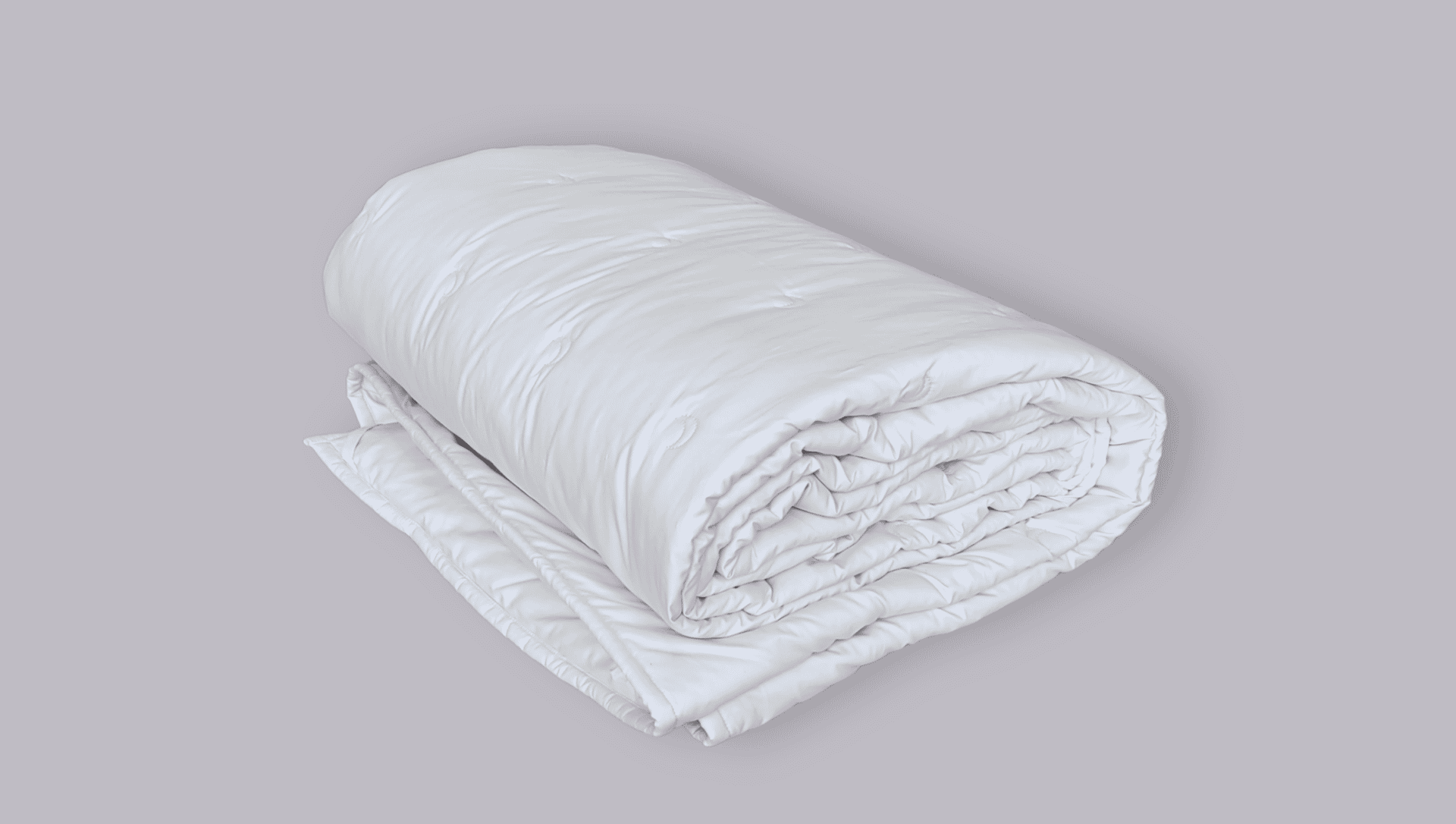
A Practical Guide to Alpaca Wool: Properties, Care, and Ethical Sourcing for Bedding
Explore the distinctive qualities of alpaca wool and how they translate into bedding performance. This guide examines warmth, breathability, and hypoallergenic benefits, while offering practical care strategies and a lens on ethical sourcing for conscientious shoppers seeking to align comfort with responsibility.
Introduction: Why Alpaca Wool Stands Apart
Alpaca wool has for centuries nestled itself into the vocabulary of luxury textiles, yet its value extends far beyond softness alone. The fiber’s unique combination of warmth-to-weight ratio, moisture management, and durability gives alpaca-based bedding a distinctive performance profile. Unlike many wools, alpaca fibers are less prone to itch and contain negligible lanolin, offering a hypoallergenic appeal that resonates with sleepers who seek comfort without irritation.
In bedding, these fiber traits translate to a feather-light warmth that adapts to shifting body temperatures—a feature prized by those who sleep in variable climates or who are sensitive to overheating. Alpaca’s microscopic structure creates air pockets that trap warmth without bulk, contributing to loft and resilience across seasons. The result is a sleep surface that can feel cozy in winter and surprisingly fresh in milder months.
The modern bedding landscape invites a careful balance: performance textiles that deliver comfort, and ethical frameworks that ensure the fibers come from responsible sources. This guide unpacks the science of alpaca fiber, explores how it behaves inside comforters and throws, and offers practical guidance for selecting and caring for alpaca bedding with an emphasis on transparency and ethics.
The Properties That Shape Comfort
Softness is often the initial impression, but alpaca wool brings more to the bed than a luxurious hand feel. Its hollow-fiber structure traps air efficiently, which yields notable warmth with a light touch. This balance—high warmth with low weight—means alpaca bedding can provide comfort without the heaviness that can hamper circulation or induce over insulation.
Breathability follows as a natural companion to warmth. Alpaca fibers retain humidity within a comfortable microclimate, helping to minimize moisture buildup that can lead to night sweats or damp sheets. For sensitive sleepers, the hypoallergenic nature of alpaca—owing to its low lanolin content and resilient fiber—offers an appealing alternative to traditional wool.
Durability and loft retention matter when you consider a bedding investment. Alpaca fibers can maintain loft with proper care, which helps preserve the uniformity of warmth distribution and the crispness of the fabric. When paired with a sturdy, natural shell such as organic cotton, alpaca filling demonstrates longevity that many synthetic fills strive to emulate.
Care and Longevity: Keeping Loft and Softness
Caring for alpaca bedding centers on preserving loft and preventing fiber migration. Many alpaca-filled comforters are designed with simple care in mind, though exact instructions vary by shell and fill composition. Key practices include:
- Use a duvet cover to protect the inner fill; remove and fluff regularly to restore loft.
- Avoid frequent machine washing when possible; spot clean or professional cleaning for heavier soiling.
- Follow label guidance for water temperature and detergent; opt for detergents formulated for natural fibers.
- Air out your bedding periodically to refresh fibers and reduce any surface odors from storage.
In some products, a crescent moon or similar stitch pattern is used to keep the fill evenly distributed, reducing cold spots and shifting. This thoughtful design detail highlights the care that goes into maintaining a consistent warmth layer across seasons.
Ethical Sourcing and Brand Transparency
The ethical dimension of alpaca textiles is integral to a meaningful bedding choice. Consumers increasingly seek assurances that fibers come from animals raised with humane welfare practices, and that processing occurs in environmentally responsible facilities. Elements to consider:
- Traceability: a clear supply chain that documents origin from farm to product.
- Animal welfare: adherence to welfare standards in husbandry and shearing practices.
- Fiber processing: emphasis on sustainable, low-impact processing methods.
- Certifications: GOTS for organic cotton shells, and other recognized standards for ethical sourcing.
Several bedding lines pair alpaca fiber with organic cotton sateen or other natural shells, offering a compelling blend of comfort and conscience. The aim is to align everyday comfort with broader environmental and ethical considerations, creating a responsible, informed consumer choice.
A Portfolio of Alpaca Bedding: Product Context
Within the bedding ecosystem, alpaca-based products range from lightweight throws to heavier duvet inserts. A representative example that demonstrates the category’s breadth is the Multi Throw, a textured alpaca bouclé throw crafted from 100% alpaca. Its warmth is described as light yet substantial, making it suitable for bed or sofa use. The bouclé texture adds visual depth and tactile interest, while the fiber’s natural warmth complements contemporary interiors with a cozy, refined look.
Multi Throw (Society Limonta)
Materials: Alpaca 100% • Construction: Alpaca bouclé • Weight: 420 g/m2
Notes: A luxurious accent that combines comfort with a refined knit texture, ideal for draping over a chair or bed corner.
This article anchors its discussion in real-world product examples to illustrate how the intrinsic properties of alpaca fibers translate into bedding performance. While Multi Throw typifies the decorative and practical range of alpaca textiles, other items such as alpaca-wool comforters showcase how a carefully crafted fill and shell can produce a balanced, all-season sleep experience.
Three Key Figures in the History of Comfort and Fiber Innovation
Across eras, three figures illuminate the evolving relationship between natural fibers, comfort, and knowledge. Their perspectives help contextualize today’s bedding conversations—from the shepherds who first tended the highland flocks to the artisans who turned fibers into sustenance for the body, and the modern researchers who quantify fiber performance.
Ancient to Medieval: The Andean Shepherds
In the high Andes, shepherds managed flocks of camelids with intimate knowledge of fiber quality. They selected fibers for warmth, softness, and resilience, shaping communal textiles that protected against cold nights. These early practices laid the groundwork for understanding how fiber properties translate into practical comfort—an inheritance echoed in modern alpaca bedding.
Renaissance to Enlightenment: The Textile Guilds
As European textile guilds refined weave structures and dye chemistry, the science of warmth distribution and fiber cohesion advanced. Innovations in loom design and natural dyeing processes contributed to textiles that balanced aesthetics with functional warmth, a lineage that informs contemporary luxury bedding and its emphasis on texture, texture, and textile integrity.
Modern Era: Fiber Science and Ethical Sourcing Advocates
In the 20th and 21st centuries, researchers and industry leaders have quantified fiber performance, from thermal conductivity to moisture wicking. At the same time, ethical sourcing advocates push for transparent supply chains, fair labor practices, and sustainable processing. This confluence of science and ethics shapes today’s alpaca bedding narratives—where comfort is inseparable from responsibility.
Editorial Note: Content Strategy and Ethical Positioning
This article foregrounds an informational approach to alpaca wool and bedding. Readers are invited to consider both material performance and sourcing ethics. The goal is to provide well-researched guidance that helps readers make informed decisions without promotional bias. Where possible, product references illustrate fiber behavior in real-world contexts, paired with considerations for care and lifecycle sustainability.
For further exploration, a curated reading list and a resource directory—featuring reputable organizations, academic papers, and credible textile guides—can support deeper learning. The emphasis remains on clarity, transparency, and family-friendly accessibility.
Conclusion: A Thoughtful Path to Comfort
Alpaca wool offers a rare blend of warmth, lightness, breathability, and hypoallergenic potential that translates compellingly into bedding. When combined with ethical sourcing and thoughtful care, alpaca-based textiles provide a premium sleep experience that respects both the sleeper and the textile’s broader ecosystem. The journey from fleece to night’s rest is a narrative of science, craft, and responsibility—one that aligns daily comfort with enduring stewardship.
Recommended Reading and Exploration
To accompany this guide, consider cornerstone articles and guides that investigate breeds, care, processing, and textile science. Look for sources that emphasize source transparency, fiber properties, and practical care instructions, all presented in accessible language and reinforced by citations.