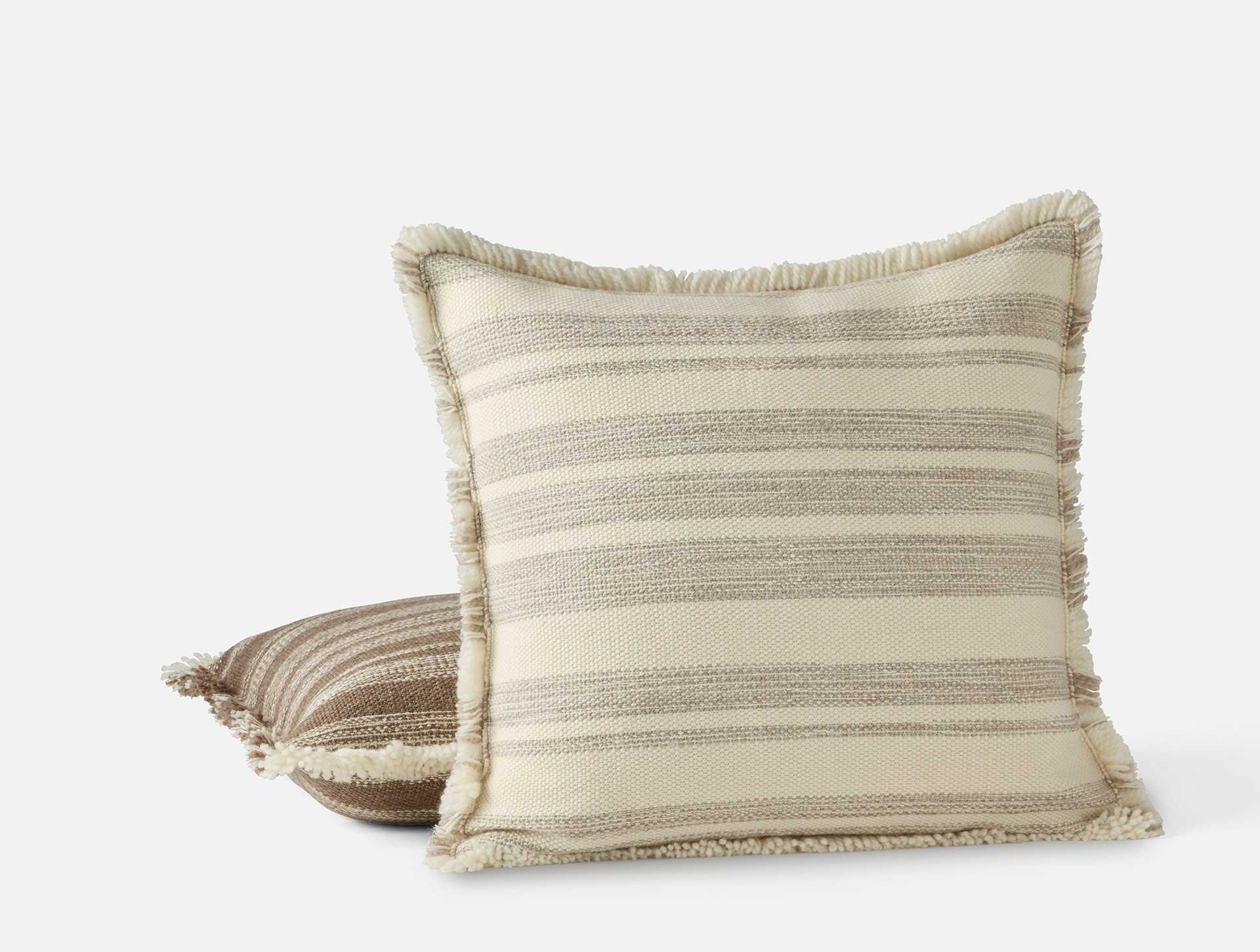
Decorative pillows enhance interior comfort by combining textile quality with aesthetic appeal. In the decorative pillows category, materials like alpaca fiber and cotton blends offer a balance of softness, warmth, and breathability. Understanding pillow construction and fabric weight helps determine suitability for living rooms, bedrooms, and nurseries, where texture and color influence mood and design coherence.
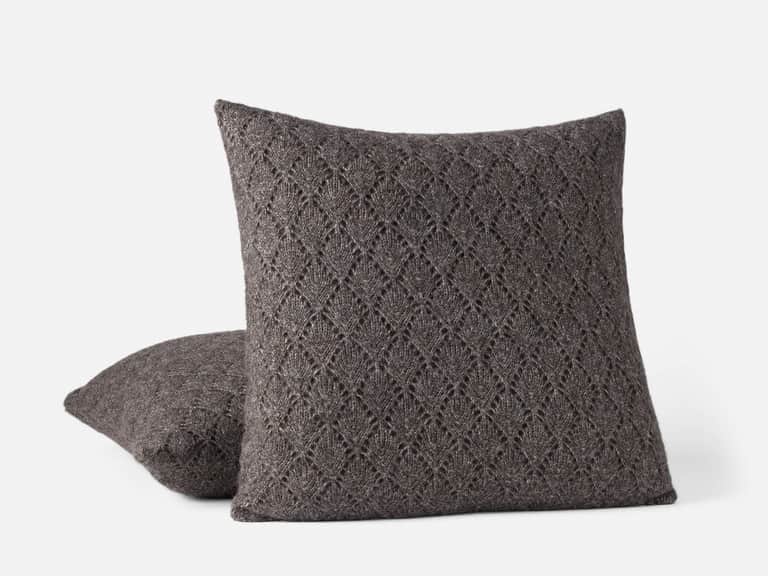
Paracas Alpaca Cotton Knit Decorative Pillow Covers exemplify the synergy between natural fibers and versatile design. Alpaca fibers provide insulating warmth without excessive weight, while cotton knit adds a relaxed, tactile surface. These covers are typically durable, easy to care for, and compatible with various styling schemes from minimalist to bohemian, supporting long-term room cohesion.
Key features to consider include fiber content, knit density, and closure type, which affect durability, care requirements, and ease of maintenance. Alpaca blends often resist pilling and retain softness after washing, making them suitable for high-traffic spaces. Knowledge of yarn composition helps assess feel, loft, and compatibility with existing sheets and mattress toppers.
Functional benefits of decorative pillow covers extend beyond aesthetics. They provide seasonal versatility, enabling quick refreshes without full furniture updates. The Paracas model, for example, can be paired with neutral or contrasting tones to highlight architectural lines in a room. Proper pillow care helps preserve texture, shape, and color over time.
In bedding contexts, coordinating decorative pillows with sheets, duvet fabrics, and nursery textiles creates a unified environment. Understanding how pillow materials interact with room temperature, humidity, and light exposure supports informed choices for comfort-focused spaces. The integration of natural fibers like alpaca and cotton aligns with broader considerations for sustainable, hypoallergenic home textiles.
 Bedding