Bedding · Natural fibers · Care guide
Inside Naturepedic’s Duvet Insert: Fill, Breathability, and Care
A comforter is a small climate system: its fibers hold still air, its cover meets the skin, and its construction determines how evenly warmth travels across the bed. Naturepedic’s alpaca duvet insert offers a useful case study in how fill weight, a cotton shell, and careful maintenance work together—and why natural-fiber bedding calls for a little attention beyond the first night.
Published October 9, 2026
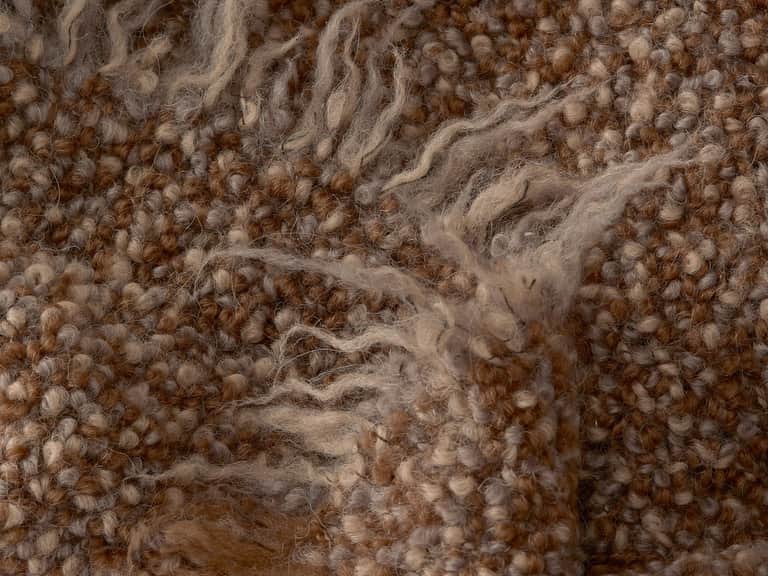
In the high Andes, alpacas move through landscapes where sunshine, wind, and sharp changes in temperature are part of the day. Their fleece has evolved as insulation for that environment. In a bedroom, alpaca fiber takes on a different role: as a soft, airy filling intended to retain warmth without making a sleeper feel wrapped in excessive weight.
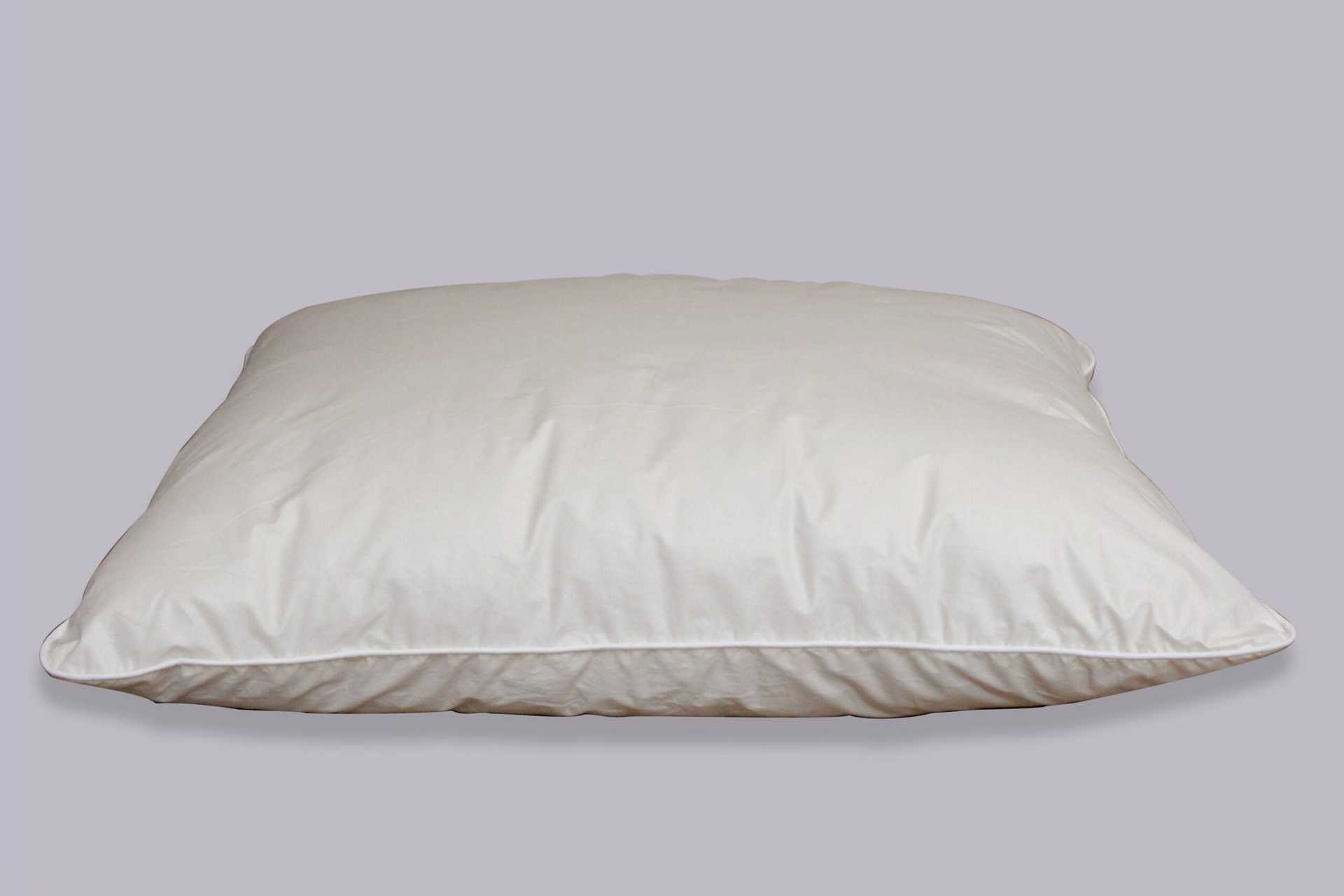
The Naturepedic Alpaca Duvet Insert Comforter combines alpaca wool fill with an OCS-certified organic cotton shell. Its listed fill options are 400 grams per square meter for the lightweight version and 500 grams per square meter for the all-season or warm version. Those figures offer a starting point for understanding the insert, but they are not a complete forecast of how it will feel. Room temperature, personal sleep habits, duvet-cover fabric, and the way the comforter is constructed all influence warmth and comfort.
This overview looks at what fill weight can tell us, how breathable materials contribute to a balanced sleep environment, and why the safest care routine begins with the product’s own instructions. It is an examination of materials and maintenance, not a substitute for the manufacturer’s current guidance.
What fill weight tells you—and what it cannot
Fill weight is the mass of insulating material distributed over a given area. Here, the stated measure is grams per square meter, or GSM. The lightweight insert uses 400 GSM of alpaca wool, while the all-season or warm option uses 500 GSM. The difference is 100 grams per square meter, a meaningful increase in fiber across the surface, though not a simple percentage guarantee of how much warmer a person will feel.
More fill usually means more material available to trap air. That can contribute to greater insulation, but the relationship between weight and warmth depends on fiber structure, loft, quilting, and the surrounding fabrics. A compact layer and a lofty layer can weigh the same yet behave differently. Likewise, two sleepers under the same insert may have contrasting impressions: one may welcome its steady warmth, while another may prefer a lighter cover.
It helps to think of bedding as a layered system. The mattress, sheets, sleepwear, duvet cover, and comforter all affect how heat and moisture move around the body. A cotton cover that feels light and breathable may create a different experience from a dense, brushed cover. A cool bedroom can make the 500 GSM option more appealing; in a warmer room, the lighter fill may be easier to use for longer stretches of the year.
The Naturepedic insert is described as having a lightweight structure and moisture-wicking properties. These are useful qualities to consider, but they should not be read as a promise that one fill weight suits every climate or sleep preference. Personal comfort is shaped by the conditions of the room and by individual differences. If you are uncertain, compare the listed weight with the warmth you already prefer and consider whether you routinely add or remove layers at night.
- 400 GSM: the listed lightweight option, potentially useful for people who prefer less insulation or for seasons when a heavier comforter feels excessive.
- 500 GSM: the listed all-season or warm option, with more alpaca fill per square meter for a more substantial layer.
- Neither number is a universal warmth rating: the shell, construction, room conditions, and sleeper all affect the final experience.
The fiber inside: alpaca’s role in a comforter
Alpaca fiber is valued in textiles for its soft hand and insulating character. Its structure helps create a layer that can retain warmth while remaining relatively light. In bedding, the goal is not simply to create the thickest possible barrier. A comfortable insert needs to provide insulation while allowing moisture and excess heat to move away from the body rather than leaving the sleeper clammy.
Moisture management matters because warmth alone does not define comfort. During sleep, the body releases heat and water vapor. Bedding that allows some movement of air and moisture can help keep the immediate sleep environment feeling more balanced. The Naturepedic description identifies alpaca wool as moisture-wicking and temperature-adaptive, and the cotton shell adds another natural-fiber layer to the assembly. The exact feel will still depend on the room and the rest of the bed.
Fiber names can also be confusing. Alpaca fiber is sometimes called alpaca wool in everyday product descriptions, although alpacas are not sheep. “Baby alpaca” generally refers to a fiber grade associated with fineness rather than material taken from a baby animal. The Naturepedic insert is described as being filled with alpaca wool sourced from the Andes; buyers who need detailed information about fiber grades, sourcing standards, or processing should consult the manufacturer directly.
Natural fibers are not automatically carefree, nor are they automatically suitable for every person. Sensitivities vary, and product descriptions that use terms such as “hypoallergenic” should be considered in context rather than treated as a medical guarantee. Anyone with a known fiber sensitivity or respiratory concern may wish to review the full materials information and seek appropriate professional advice.
Why the shell matters
The Naturepedic duvet insert is encased in OCS-certified organic cotton. A shell has several jobs: it contains the fill, provides the surface that touches a duvet cover, and contributes to how air and moisture move through the comforter. Its weave and weight can change the hand feel and drape of the finished insert, just as the fiber inside does.
Organic certification speaks to defined requirements within a supply chain; it is not, by itself, a description of softness, breathability, or durability. Those qualities depend on the cotton, the weave, the finish, and the overall construction. The shell is therefore best understood as one element in a material system rather than a standalone guarantee of performance.
A duvet cover adds another protective and sensory layer. It can help shield the insert from body oils, dust, and everyday marks, reducing how often the comforter itself needs attention. It also makes it easier to change the bed’s surface texture or appearance without replacing the insert. Choosing a cover that fits properly matters: excess fabric may bunch, while a too-small cover can compress the fill and limit its loft.
Corner ties or loops are useful features to check when pairing an insert with a cover. If the two pieces can be secured together, they are less likely to shift into separate corners during the night. Construction details vary by model, so it is sensible to verify the insert’s current specifications rather than assume a particular fastening system.
Loft, distribution, and the quiet work of construction
Fill does its best work when it stays where it belongs. If fibers migrate into clumps or empty channels, some areas may feel warmer and puffier while others feel thin. Stitching and internal construction help limit that movement, although the details differ from one comforter to another. The supplied description for Naturepedic emphasizes fill weight and materials; for construction specifics, consult the manufacturer’s product information.
Loft is the height and airiness of the filling when it is allowed to expand. It is not simply a measure of luxury. A well-lofted layer holds still air, which contributes to insulation, but excessive compression can reduce that insulating space. Folding a comforter tightly for long periods or storing heavy objects on top of it may flatten the fill. Gentle handling and appropriate storage help preserve its shape.
When first unpacked, a comforter may not immediately have its fullest appearance. Airing it in a clean, dry place and giving it time to settle can help it recover from storage. Avoid forceful shaking if the care label discourages it; repeated rough handling is not a substitute for the construction designed to distribute the filling.
Care begins with the label
Natural-fiber bedding can be durable, but its care needs depend on the fiber, shell, stitching, and finished size. For this Naturepedic insert, the supplied care information says to spot clean only as the usual approach. If more extensive cleaning is necessary, it recommends a professional laundering service—not dry cleaning. It also describes home machine washing as an option only when absolutely required, with specific conditions.
Those instructions should be checked against the label that comes with the comforter. Care recommendations can change, and a particular washer, detergent, or drying method may not be suitable for every household. When a product says spot clean only, laundering at home carries risk; professional advice from the manufacturer or an appropriate service is the more cautious route.
If following the supplied home-washing guidance, the comforter should be washed warm on a delicate cycle in a machine without a center agitator, using mild detergent. Bleach and fabric softener are not recommended, and the instructions call for one or two additional rinse cycles to remove detergent residue. An agitator can place concentrated stress on a bulky textile, while leftover detergent may affect the feel of the fabric and fibers.
Drying is just as important. The instructions specify low heat and stress that the inner wool must be fully dry, even after the outer cover feels dry to the touch. A thick comforter can hold moisture internally. Incomplete drying may leave dampness hidden within the filling, so do not rely solely on the shell’s surface as an indicator. The guidance also warns that high heat can cause considerable shrinkage and says not to iron the insert.
Because a duvet insert is bulky, check that the washer and dryer can accommodate it without crowding. If it cannot move freely, or if the machine has a center agitator, do not force the process. A professional laundering service may be a safer option. Avoid improvising with bleach, fabric softener, high heat, or an unapproved cleaning method.
A simple routine for everyday maintenance
Regular deep cleaning is not necessarily the best way to care for a wool-filled comforter. Preventing soil from reaching the insert can be gentler than repeatedly washing it. A removable duvet cover is a practical first defense: wash the cover according to its own label and keep the filled insert protected beneath it.
- Use a cover. A washable duvet cover helps limit direct contact with skin oils, perspiration, and spills.
- Air the bedding. Let the insert breathe in a clean, dry, well-ventilated space when convenient. Avoid putting it away while damp.
- Spot clean carefully. Follow the manufacturer’s directions and use only the recommended method. Test any permitted cleaning approach discreetly where possible.
- Store it dry and uncompressed. Choose a clean, breathable storage space and avoid leaving heavy items on top of the comforter.
- Check before laundering. Confirm the care label, equipment requirements, and professional-service recommendation before attempting a full wash.
Air circulation can refresh bedding between cleanings, but it does not replace laundering when cleaning is genuinely needed. Nor should direct sunlight, outdoor exposure, or any particular deodorizing method be assumed safe for every textile. Follow the specific care directions and protect the insert from moisture, dirt, and prolonged exposure that could affect its color or fibers.
How it fits among natural-fiber bedding
Alpaca is one of several fibers used in insulated bedding. Sheep’s wool, cotton, down, and plant-based fills each behave differently, and construction can matter as much as the raw material. A comparison is most useful when it focuses on verifiable details: fill composition, weight, shell fabric, care requirements, certifications, and the way the product is assembled.
For example, the Alpaca and Wool Comforter listed on this site combines organic alpaca fiber and wool batting with a GOTS-certified organic cotton cover. Its description notes a crescent-moon stitch intended to keep the fill distributed. It is a related example of alpaca-and-wool bedding, but its specifications and care should not be assumed to match Naturepedic’s insert. Compare each product’s own label and manufacturer guidance before drawing conclusions about warmth or maintenance.
For Naturepedic, the practical comparison begins with its two listed alpaca fill weights: 400 GSM and 500 GSM. Consider the temperatures in the bedroom, your typical sleepwear, and whether you prefer a light layer or a more substantial one. Then factor in the cotton shell and the care commitment. A comforter that suits your climate but cannot be maintained according to its requirements may not be the right fit for your household.
Questions to consider before choosing a fill weight
Rather than treating “all-season” as a universal promise, use it as a prompt to examine your own conditions. Do you sleep with the window open? Does the bedroom stay cool through the night? Do you tend to wake warm, or reach for another blanket? Are you willing to adjust layers seasonally? These everyday observations can be more helpful than a generic label.
Also consider the full bedding arrangement. A thick duvet cover, flannel sheets, and warm sleepwear together may feel quite different from a lightweight cotton cover and breathable sheets. If two people share a bed but prefer different temperatures, a lighter insert with an additional removable layer can offer more flexibility than relying on one heavy comforter alone.
Finally, think about care before purchase. The Naturepedic care directions are notably specific: spot cleaning is the default, professional laundering is recommended when needed, and any home washing is conditional. That level of care may be straightforward for some households and inconvenient for others. Knowing the routine in advance is part of choosing bedding responsibly.
The larger lesson in a single duvet
A natural-fiber comforter is the result of many small decisions. The fiber contributes insulation and moisture behavior; the shell shapes the surface and contains the fill; the weight influences how substantial the layer feels; and the construction helps preserve an even blanket of warmth. Maintenance then determines how well those qualities endure over time.
Naturepedic’s alpaca insert makes those relationships visible. Its 400 GSM lightweight and 500 GSM all-season or warm options give readers a concrete way to compare fill density. Its organic cotton shell offers a second material perspective, while its care instructions show that “natural” does not mean “wash any way you like.” The insert’s comfort will ultimately be personal, but the questions behind that comfort—how much insulation, what kind of shell, and what kind of upkeep—are useful for anyone exploring natural-fiber bedding.
In the end, a restful bed is less about one remarkable material than about a well-matched system. When fill, fabric, room climate, and routine work together, warmth can feel steady rather than heavy, and care can become a quiet habit rather than a difficult rescue.
At a glance
- Fill: alpaca wool.
- Listed weights: 400 GSM lightweight; 500 GSM all-season or warm.
- Shell: OCS-certified organic cotton.
- Care starting point: spot clean only; consult the current manufacturer instructions before laundering.
- Home-washing caution: the supplied directions specify a machine without a center agitator, a delicate cycle, mild detergent, extra rinsing, low heat, and complete drying of the interior.