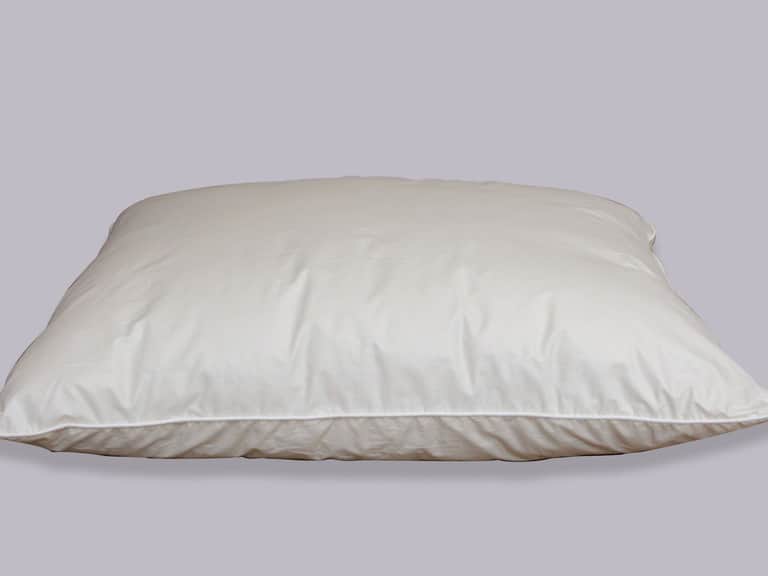
Wool, sourced from ethically raised sheep and blends with alpaca fibers, offers natural insulation and breathability that help regulate temperature across seasons. The material’s moisture-wicking properties keep skin dry while reducing heat buildup, making it a versatile choice for bedding, pillows, and sheets in varied climates and sleep preferences. Key characteristics include softness, resilience, and odor resistance, contributing to a durable bedding foundation.
In bedding contexts, wool provides upholstery-like loft and a structured feel that supports alignment of the neck and spine. Wool fibers trap air within their crimped structure, enhancing insulation without excessive warmth. For pillows and comforters, this translates to a supportive yet breathable surface, reducing pressure points and maintaining comfort from dusk till dawn.
Within nursery applications, wool’s gentle, hypoallergenic qualities help create a calm sleep environment. Naturally resistant to dust mites and mold, wool products can contribute to a cleaner sleeping space. When combined with cotton or linen bedding, wool layers help maintain dryness and regulate ambient temperature for infants and young children.
Understanding product specifics, such as Alpaca and Wool Pillows, reveals diverse benefits: alpaca fibers add softness with a cooler touch, while wool provides rebound and shape memory. Features like removable covers, natural flame resistance, and easy-care guidance support practical usability for daily life and long-term comfort in any sleep setup.
For holistic sleep wellness, evaluating wool-based bedding, sheets, and pillows involves considering fiber length, fabric weave, and fill power. The synergy of wool and its natural properties fosters a balanced microclimate, supporting restful sleep, healthier skin, and consistent comfort across seasons for adults and children alike.
 Bedding