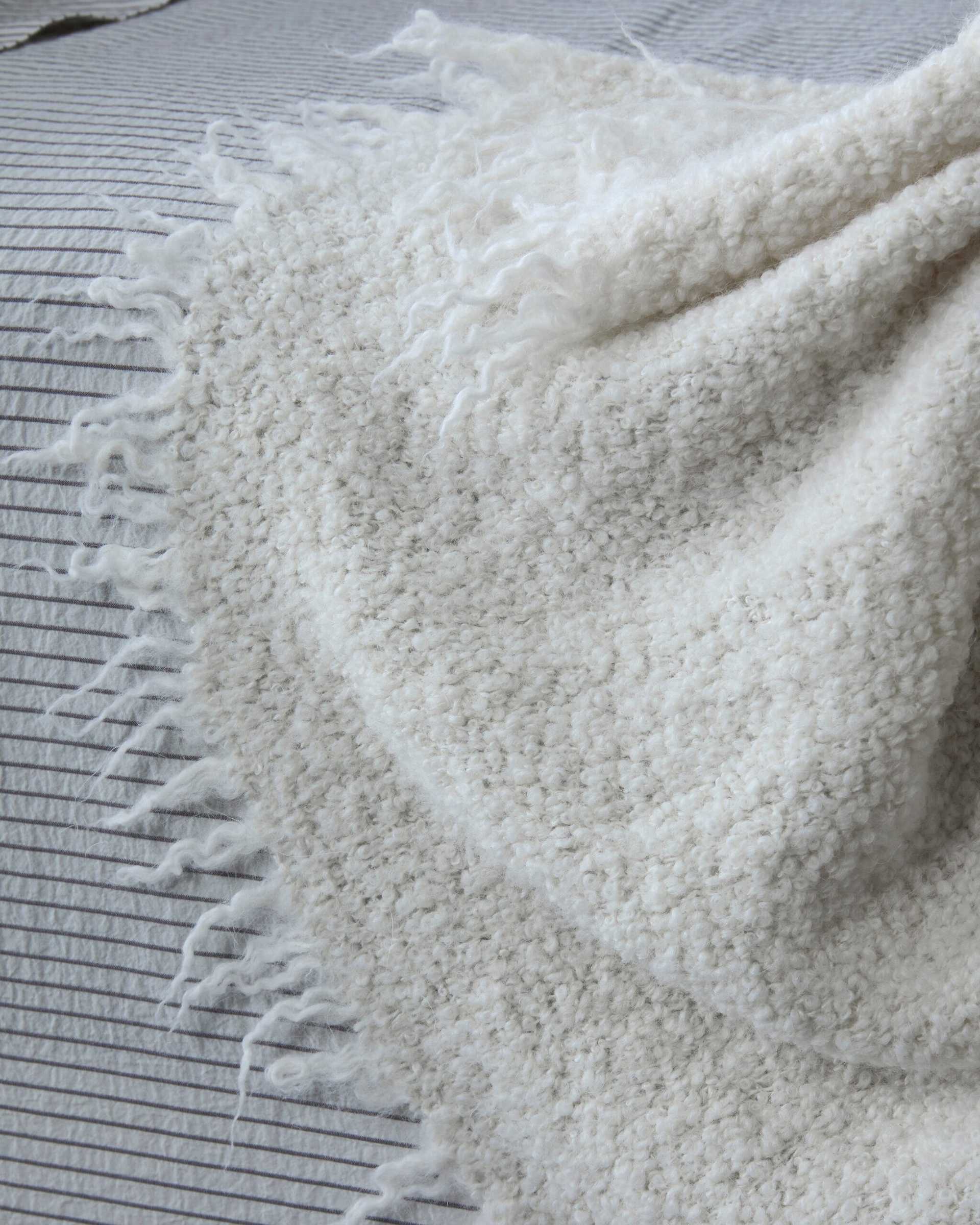
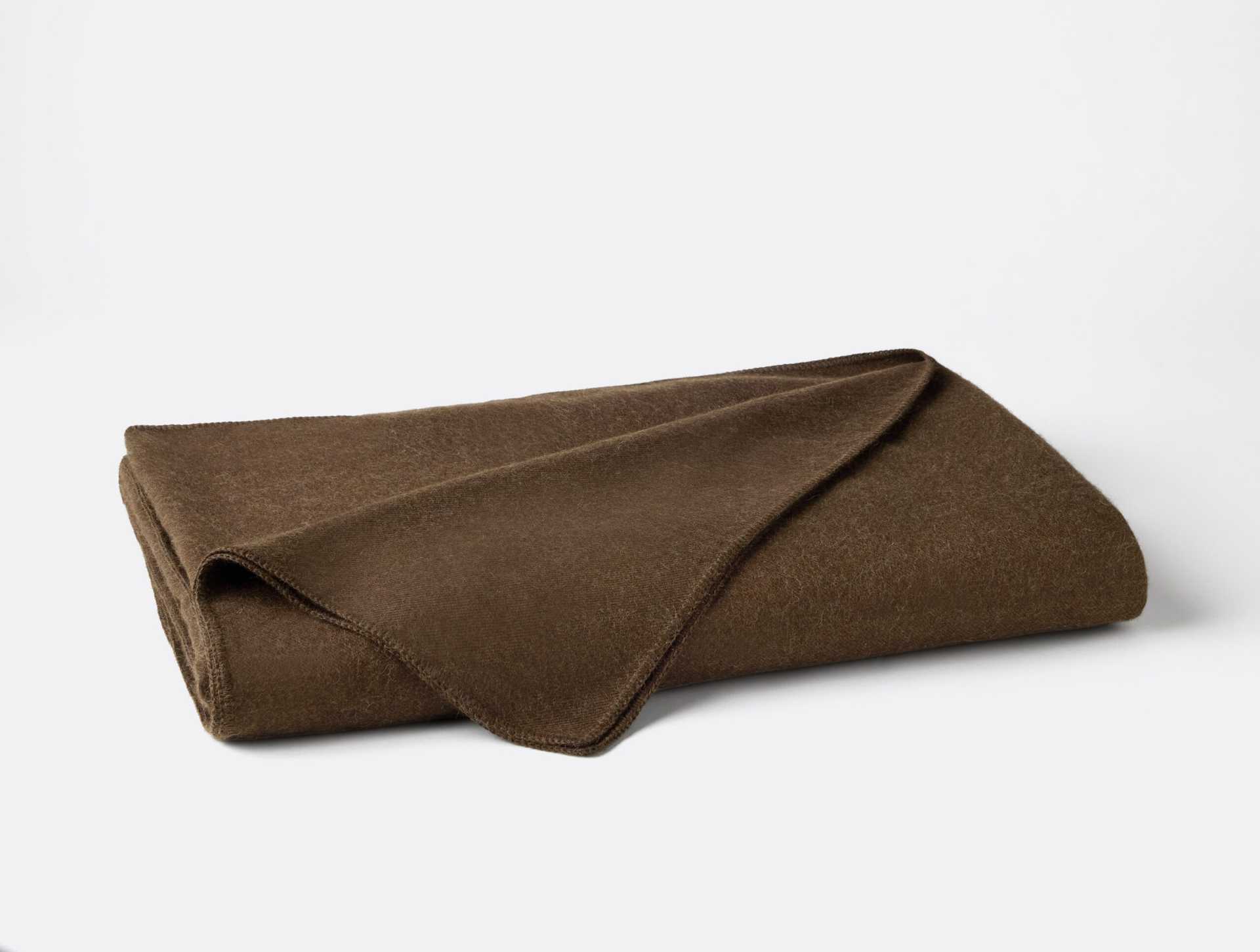
Blankets serve as essential comfort tools for rest, daily warmth, and seasonal layering, with natural fibers often contributing to both breathability and insulation. In alpaca-inspired designs, these fabrics can provide a balanced temperature regulation, reducing overheating while maintaining softness. Understanding material composition, weave, and texture helps identify blankets suited for varied sleeping environments and household needs.
The Pacaya Alpaca Blanket exemplifies premium warmth with fine fibers that yield a lightweight yet insulating layer. Its natural properties promote moisture management and hypoallergenic comfort, making it suitable for quiet nights and gentle skin contact. For users seeking durable performance, alpaca blends can maintain softness through extended use and multiple wash cycles.
The Tuis Blanket offers practical versatility through thoughtful construction and tactile appeal. Its weave supports uniform warmth without bulk, supporting controlled layering on beds or couches. This type of blanket can function across different room temperatures, providing comfort for naps, reading corners, or relaxing evenings in nurseries and living spaces.
Within bedding considerations, blankets interact with pillows, sheets, and nursery essentials to influence overall sleep quality. Choosing a blanket with appropriate fiber content, breathability, and care requirements can simplify routine maintenance while preserving fiber integrity. For families, this means reliable warmth without excessive weight or synthetic additives.
Key attributes to evaluate include fiber origin, texture, thickness, and care guidelines, as well as how a blanket complements other bedding items such as sheets and nursery textiles. By examining use cases—from quiet nights to daytime lounging—consumers can select blankets that align with comfort goals, durability expectations, and long-term usability.
 Bedding